Hydraulic Fracturing (Fracking) Research
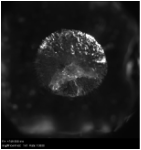
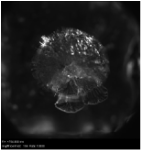
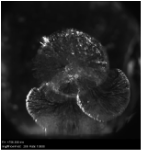
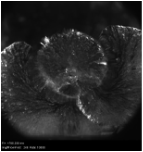
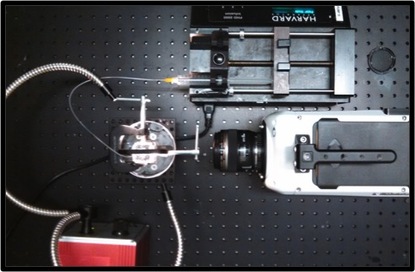
A fracking operation involves pumping millions of gallons of water, chemicals, & sand deep underground at very high pressures; this forces open fractures in the target rock formation, which releases previously inaccessible oil and natural gas. Although this technique of energy extraction is much disputed, it is poorly understood. Operations cannot be directly observed, because they occur more than a mile below the surface of the earth. Therefore, the SMR Lab (at the Harvard School of Engineering and Applied Science) has developed a system of modeling these fractures using heavily cross-linked hydrogels.
Experiments with Interfaces
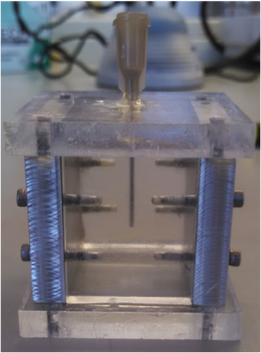
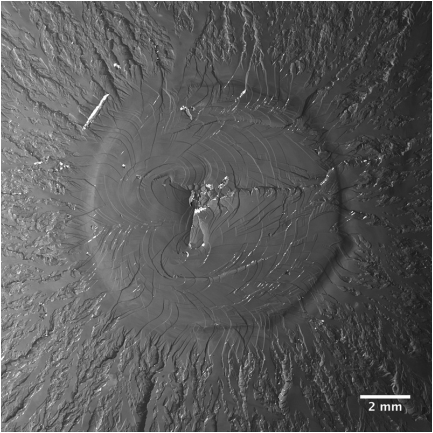
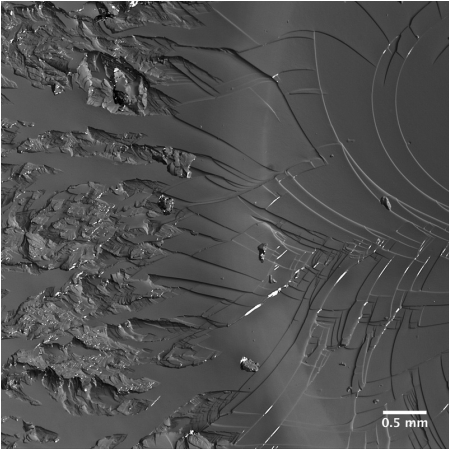
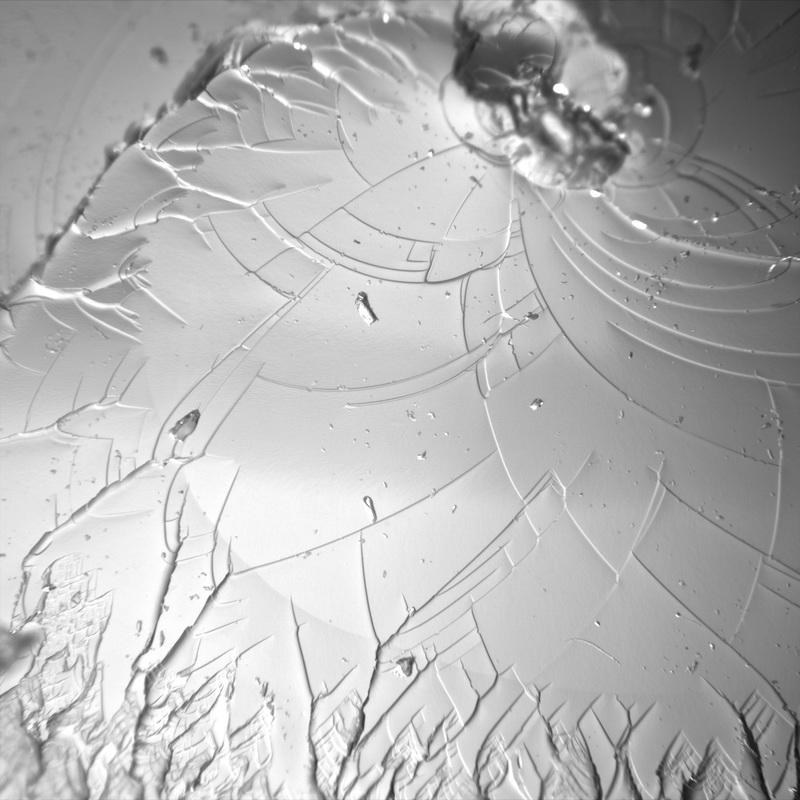
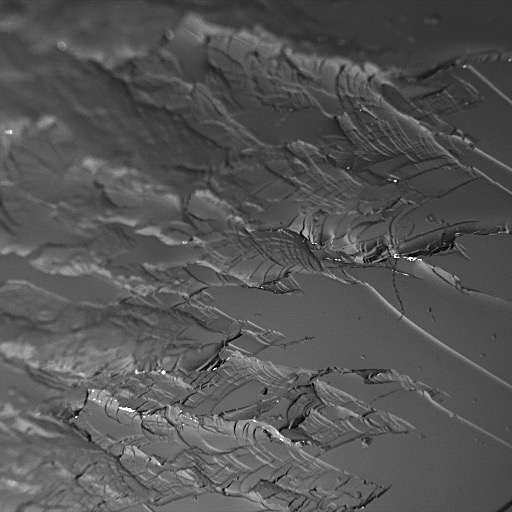
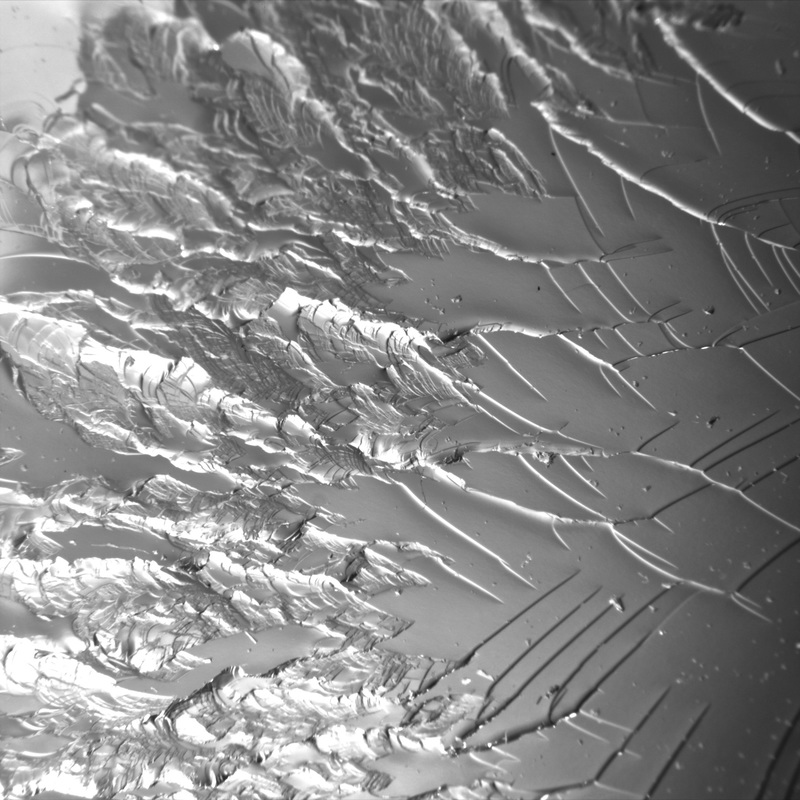
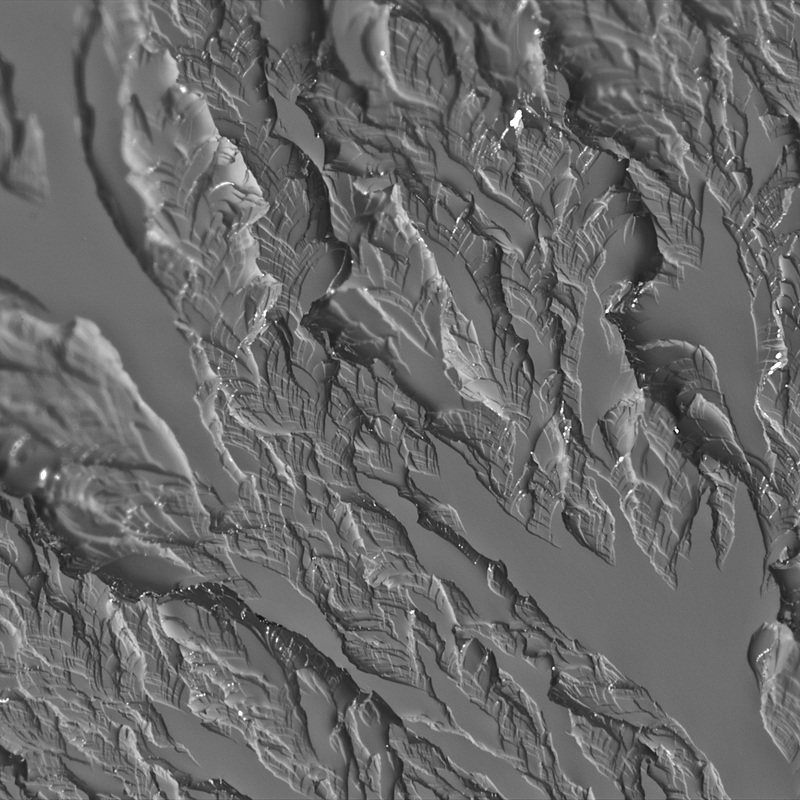
I did a research project that explored how hydraulic fractures respond to differential strength interfaces, since target shale formations are often intertwined with materials of varying strengths. This included designing a system to cast multiple layers of hydrogel in the same sample, taking high speed videos of the fracture dynamics, and post-fracture microscopy images of the fracture surface features. The hydraulic fractures would often arrest briefly at the interface before building up enough pressure to break into the tougher material on the outside.
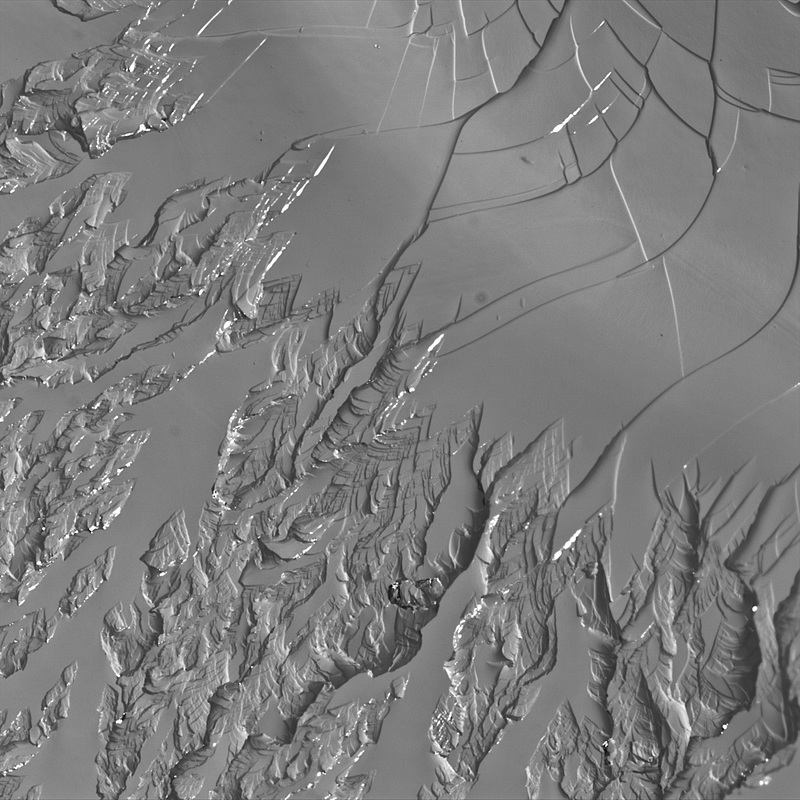
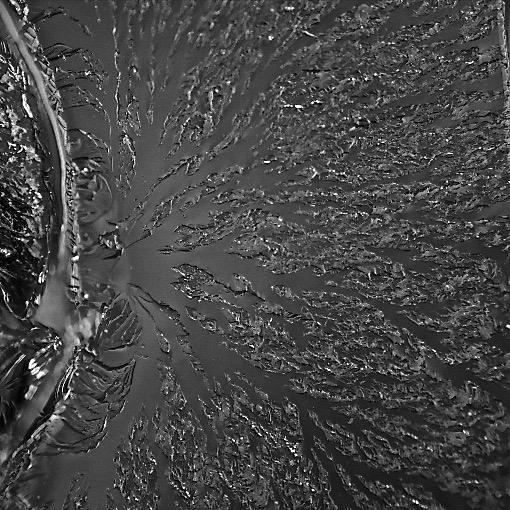
Microscopy images of the post fracture surfaces